
Last Revised: 2/10/26
Hydronic heating systems (water-based heating) are known for their even, comfortable warmth provided throughout your home. But when the forecast shows temperatures dropping into the teens or below, it’s a valid concern to wonder if your system is ready to keep your home warm.
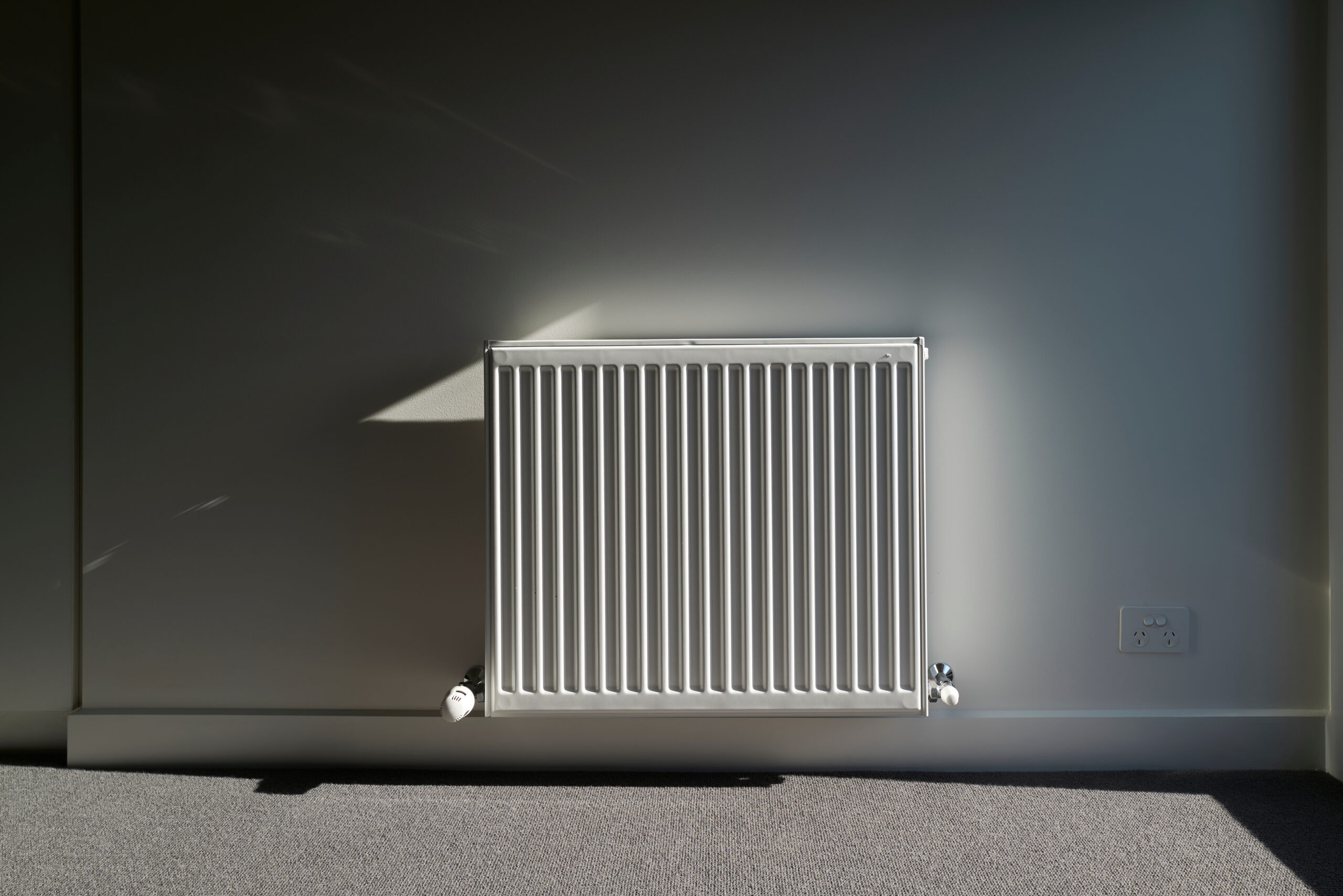
Hydronic heating systems circulate hot water through pipes and radiators or baseboards to heat your home. While they’re efficient and reliable, they do need some attention before Old Man Winter arrives.
The good news? Most of what you need to do is straightforward and can give you real peace of mind as those Arctic air blasts hit your neighborhood.
Let’s walk through exactly how to prepare your hydronic heat for freezing temperatures, so you can stay warm and worry-free all winter long.
How Do I Prepare My Hydronic Heating System for Freezing Weather?
Preparing your hydronic heat for cold weather is all about making sure water can circulate freely and won’t freeze if something goes wrong. Think of it as winterizing your system the same way you’d winterize your plumbing and outdoor faucets.
Check Your System Pressure
Start by looking at the pressure gauge on your boiler. Most hydronic systems need to maintain between 12-15 PSI when cold. If the pressure is too low, your system won’t circulate properly, which could lead to cold spots in your home and the risk of freezing pipes.
Low pressure usually means you’ve lost some water over time, which is normal. You can add water yourself using the fill valve on your boiler. It’s typically a valve with a handle that you can open, and then slowly fill with water until the pressure gauge shows the proper PSI.
This simple five-minute task can prevent a lot of headaches when temperatures plummet.
Bleed Your Radiators
Air pockets in your radiators can lead to more than just annoying cold spots, they reduce circulation throughout your entire system. Before freezing weather hits, take 15 minutes to bleed each radiator in your home.
Insulate Exposed Pipes
Any hydronic pipes running through unheated spaces (your basement, crawl space, garage, or along exterior walls) are vulnerable when temperatures drop below freezing.
Foam pipe insulation is inexpensive and incredibly effective. It comes in split tubes that you can then wrap around the pipe and secure. Focus on pipes in cold areas first, and be sure not to overlook those in basements and crawl spaces.
Set a Minimum Temperature
If you’re planning to be away during winter or you lower the heat at night to save money, you should never turn your system completely off. Hydronic systems should maintain at least 55°F as a safety buffer.
Why? If outside temps drop and your system isn’t running at all, pipes in colder areas of your home can freeze. Keeping the system active (even at a reduced temperature) ensures water keeps circulating and pipes stay warm enough.
Know Your Freeze Protection
Many modern hydronic systems include some form of freeze protection, either antifreeze or automatic circulation features. Check your system’s manual or the paperwork from when it was installed to understand what protection you have.
If your system uses straight water with no antifreeze (common in older systems), freeze protection is even more critical. If you’re unsure whether you have freeze protection, give a quick call to your HVAC pro to get some clarity.
What Happens If My Hydronic System Freezes?
If the water in your hydronic pipes freezes solid, it can crack or burst the pipes (water expands when it freezes). A burst pipe may not even be found until after the ice thaws and water starts pouring out.
Is this common? Not for homeowners who take steps to insulate and maintain pipes. Those who don’t will be put to the test during freezing weather, which can sound intimidating. But we’ve seen heating systems fail before, and it’s always best to be proactive instead of reactive.
This is why maintaining circulation, insulating exposed pipes, and keeping a minimum temperature setting are so important.
Should I Add Antifreeze to My Hydronic Heating System?
Many people ask this question, and the answer is that it depends on your system and situation.
Some hydronic systems (especially those in vacation homes, additions, or areas where freeze risk is higher) use a mixture of water and antifreeze already. This mixture won’t freeze at normal winter temperatures, giving you a bigger safety margin.
However, adding antifreeze isn’t a DIY job. There are several steps, including draining your system, mixing antifreeze to the correct concentration, and refilling properly. Getting the mixture wrong can reduce your system’s heating efficiency and potentially damage the system.
Don’t take this on without talking with a heating professional first. A quick conversation at an inspection can give you clarity on what’s best for your home.
What’s the Most Important Thing I Can Do?
If you only do one thing to prepare your hydronic heat for freezing temperatures, make it this: ensure your system keeps running.
A hydronic system that’s actively circulating warm water through well-maintained pipes is extremely resilient, even in the coldest winters.
The systems we’ve seen fail during freezes are almost always ones that were shut down for a long enough period of time. Your hydronic heat is designed to handle winter, it just needs a little attention from you to keep doing its job.
Keep Your Home Warm and Protected This Winter
At Mattioni, we’ve been keeping Greater Philadelphia homes comfortable through each season since 1948. We know hydronic heating systems inside and out, and we’ve helped countless homeowners prepare for freezing temperatures.
If you’re unsure about your system’s freeze protection, haven’t had maintenance in a while, or just want the peace of mind that everything’s ready for winter, we’re here to help.
Schedule a hydronic heating system inspection online today. We’ll test pressure, check for leaks, bleed radiators, and make sure you’re set for whatever winter throws at you. Don’t wait for a cold snap to find out there’s a problem.
Dealing with a heating emergency? Call us at (610) 400-8510. When temperatures drop and your heat isn’t working, you need a fast response from professionals, and we’re here to help.