

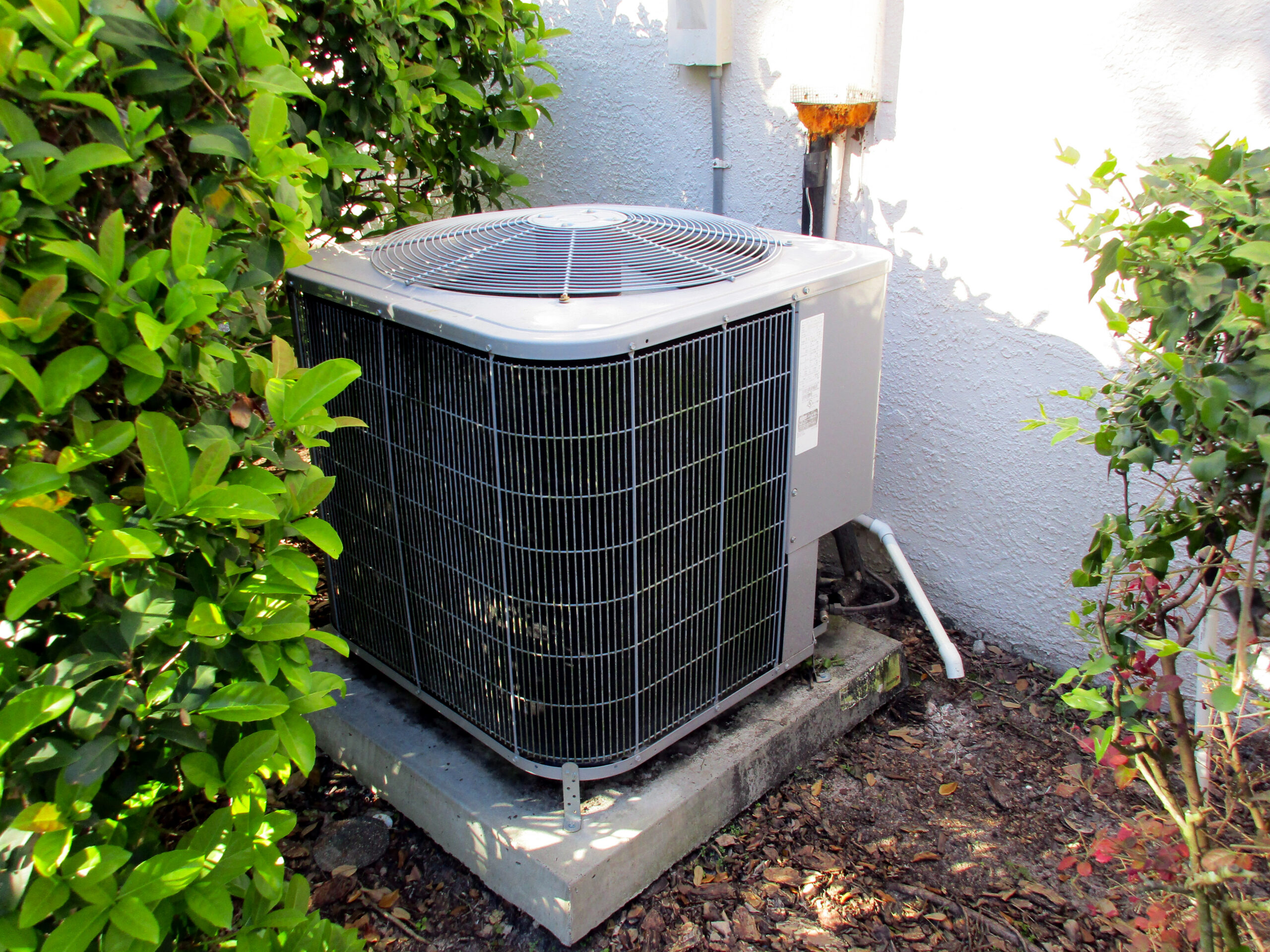
Quick answers: AC noises
What do different AC noises mean?
Each AC sound points to a specific problem. Buzzing usually means loose parts or an electrical fault, humming points to a failing relay or capacitor, bubbling or hissing signals a refrigerant or drainage issue, banging means a failing compressor or loose component, and squealing or screeching points to a belt, motor, or high-pressure problem.
Which AC noises are serious?
Screeching, loud banging, and hissing are the most urgent. They can signal compressor failure, dangerous internal pressure, or a refrigerant leak. Shut the system off and call a technician.
Is it safe to run my AC if it's making noise?
A light rattle from debris is often minor, but persistent grinding, screeching, or banging means you should turn the unit off. Running it anyway can turn a small repair into a full replacement.
Can maintenance stop AC noises?
Yes. Annual tune-ups catch loose hardware, worn belts, low refrigerant, and dirty coils before they get loud — and keep your system efficient through SE Pennsylvania summers.
Last Revised: 6/12/2026
As summer heats up across West Chester, Phoenixville, and Collegeville, the last thing you want is an air conditioner that suddenly starts making strange sounds. Most modern AC systems are built to run quietly, and many even use sound-dampening technology. So when your unit starts buzzing, banging, or screeching, it’s typically trying to tell you something.
The good news? The type of noise is a surprisingly reliable clue about what’s going wrong.
In this article, we’ll walk through the nine sounds homeowners ask us most, what each one typically means, and how seriously you should be taking each type of situation. Knowing the difference helps you describe the problem clearly to one of our NATE-certified technicians and often saves you money by catching small issues early.
Buzzing | Humming | Bubbling | Clanking | Clicking | Banging | Squealing | Screeching | Rattling
What Do Different AC Noises Mean?
Air conditioner noises generally fall into two buckets: mechanical sounds (loose, worn, or broken parts) and electrical sounds (relays, capacitors, and contactors that are failing). A few (like hissing and bubbling) point to refrigerant or drainage problems.
Below are specific answers to each sound your system may be making.
Why Is My AC Buzzing?
Buzzing is one of the most common sounds from a struggling AC, and it usually starts at the outdoor condenser unit. The likely culprits are loose or unbalanced fan blades, dirty condenser coils, a failing fan motor, a refrigerant leak, or other loose components vibrating against the housing.
Because buzzing can mean anything from a quick tightening to a refrigerant problem, it’s worth having a technician confirm the cause before it worsens.
Why Is My AC Humming?
A persistent hum often points to the contactor relay switch (the component that starts a cooling cycle when it gets the signal from your thermostat). It’s likely to be an electrical fault that can cause real damage to a central air conditioner if it isn’t fixed promptly. In some cases, it can lead to system failure and the need for a complete AC replacement.
If the humming is steady and the system struggles to start, request a service call from a licensed technician for AC repair as soon as you can.
Why Is My AC Making a Bubbling Sound?
Bubbling or gurgling usually means there’s excess moisture in the system. That happens when there’s a hole, crack, or clog in the condensate drain line. Your technician will need to open the unit and inspect the drainage line to confirm.
Bubbling can also come from a refrigerant issue, and refrigerant always requires a trained professional to handle safely.
Why Is My AC Clanking?
A loud clank points to a loose or unbalanced part in the outdoor condenser. Common causes include compressor trouble, unbalanced fan blades in the indoor blower or outdoor fan, or something that fell into the unit and is now colliding with the fan blades.
Clanking tends to get worse the longer the unit runs, so it’s best inspected quickly.
Why Is My AC Clicking?
Occasional clicking at startup and shutdown is normal. Constant or rapid clicking is not. It usually means there’s an electrical problem such as a faulty thermostat, capacitor, or compressor.
A clicking sound can also come from something obstructing the outdoor fan. Ongoing clicking ins a sign the system is trying and failing to do it job.
Why Is My AC Banging?
Banging is often a sign of a compressor approaching the end of its operational lifespan. Loose parts inside the compressor collide with its exterior framing, producing that heavy banging sound.
Because compressors aren’t built for easy disassembly, this is one of the more serious noises on the list. It’s a common reason older systems get evaluated for replacement.
Why Is My AC Squealing?
Squealing typically means a problem with the fan belt. Normal operation can leave the belt misaligned or worn, and it may need a belt or bearing replacement. When you hear squealing, stop running the system and call a technician. Continuing to run it risks the belt breaking entirely.
Why Is My AC Screeching?
Screeching grabs your attention fast, and for good reason. It can mean dangerously high pressure in the compressor, a fan motor that needs replacing, or a refrigerant leak. All of these need professional inspection. If you hear screeching, shut the unit off and don’t run it again until a technician has looked at it.
Why Is My AC Rattling?
Rattling often comes from dirt, leaves, twigs, or other debris loose inside the outdoor condenser. The fix is usually disassembling and cleaning the unit. If debris isn’t the cause, the rattle may be a damaged electrical contactor, which can damage the compressor if not repaired soon.
Which AC Noises Mean You Should Shut It Off?
Not every sound is an emergency, but a few are. Turn your system off and call a technician right away if you hear loud banging, screeching, grinding, or hissing. These point to compressor failure, dangerous pressure, or a refrigerant leak.
Running the unit through these noises almost always makes the repair bigger and more expensive. Lighter sounds like a faint rattle or an occasional click are worth monitoring and receiving attention at your next service visit.
How Do I Stop My AC From Making Noises?
The most reliable way to keep your AC running quietly and smoothly is consistent maintenance. An annual tune-up catches loose hardware, worn belts, low refrigerant, and dirty coils before any of them turn into a noise (or a breakdown).
If your unit is older and the noises keep coming back, it may be time to upgrade to a newer, quieter, more energy-efficient model that runs at a fraction of the volume.
Noisy air conditioners are more than an annoyance – they’re your system asking for help. Catching the sound early is the difference between a quick fix and a hot, AC-less weekend.
Get Your Noisy AC Diagnosed by Mattioni
You don’t have to figure out what that sound means on your own. Here’s how to get it handled:
1. Identify the sound. Note whether it’s buzzing, banging, screeching, or something else, and when it happens – startup, while running, or shutdown.
2. Call Mattioni. Reach our team at (610) 400-8510 or request a service call and describe what you’re hearing.
3. Get it fixed right. A NATE-certified technician pinpoints the cause and restores quiet, reliable cooling.
For over 75 years, Mattioni has kept Chester County and the Greater Philadelphia area comfortable with five-star service and honest, upfront pricing. Stop guessing at that noise. Let our team turn a stressful, sweaty problem into a quiet, cool home again.
Contact Mattioni’s friendly staff today to schedule your AC repair or tune-up.