
Last Revised: 5/1/26
Many homeowners see their heating and cooling systems as just the furnace and AC unit. But your home’s ductwork plays a big part in your comfort and the efficiency of your HVAC system.
If your home takes forever to heat up in the winter, if one room is always too warm while another stays comfortable, or if your energy bills keep climbing without explanation, your ductwork could be the culprit.
The good news? Understanding how your ducts work, and what to watch for, puts you back in control of your home’s comfort.
TL;DR – The Quick Version
Your air ducts move conditioned air from your HVAC equipment to every room in your home. When they’re leaking, clogged, or damaged, you lose efficiency, comfort, and money. The most common problems are air leaks at duct seams, dust and debris buildup, moisture and mold, and pest intrusion. As a homeowner, you can clean your vents, change your filter, and watch for warning signs like uneven temps or rising bills. At Mattioni, we don’t directly handle duct cleaning or sealing, but our full system inspections can give you the full picture of your system’s efficiency and performance. We’ll let you know if your ductwork needs attention during a regular maintenance appointment.
How Do Air Ducts Affect Heating and Cooling Efficiency?
Your duct system has two jobs: pulling air in and pushing out conditioned air.
When your thermostat calls for heating or cooling, the return vents in your home draw in air through your return vents and funnel it back to your HVAC unit. That air is warmed or cooled, then travels through your supply ducts and comes out through the vents in your rooms. It’s a continuous loop, and every part of it matters.
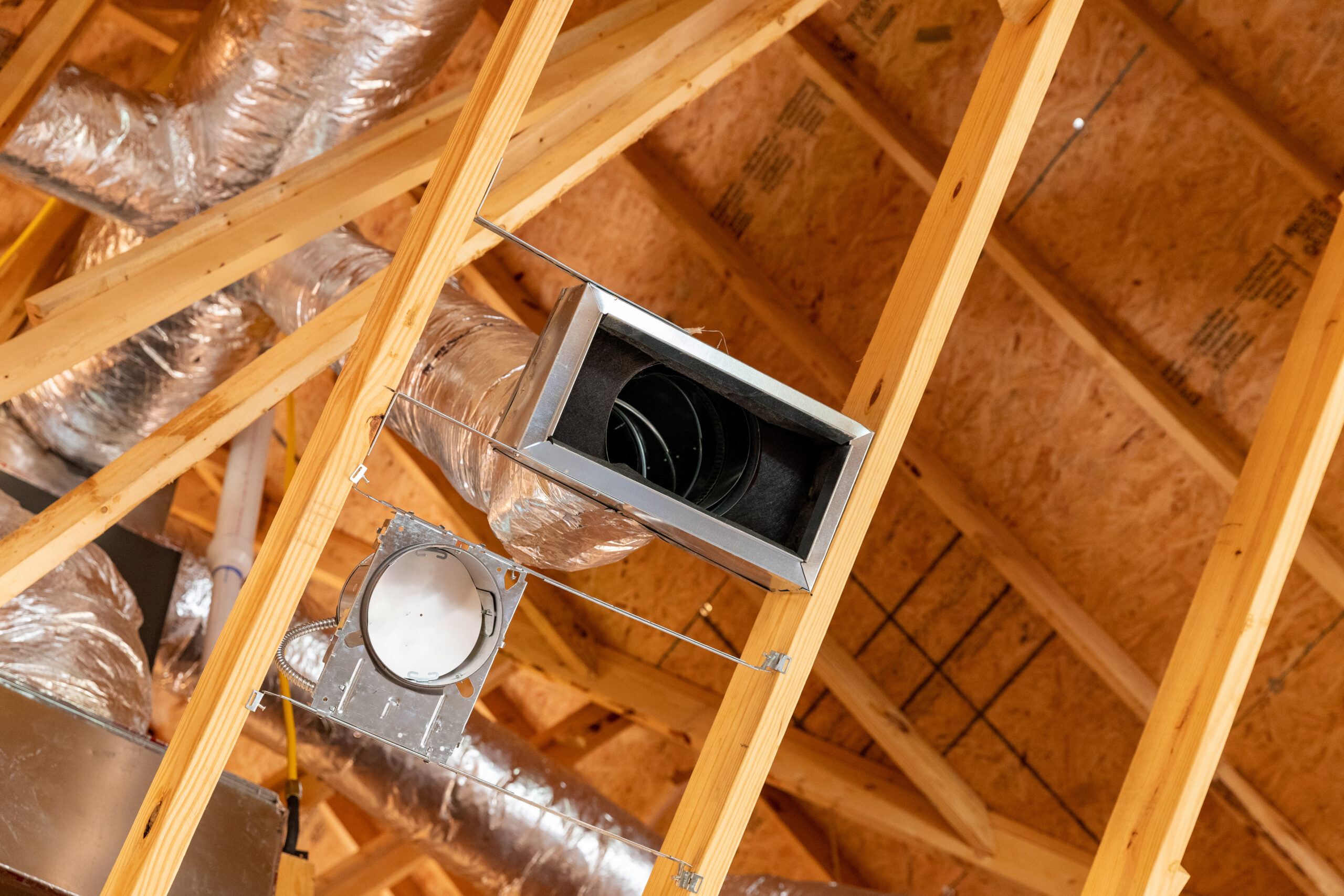
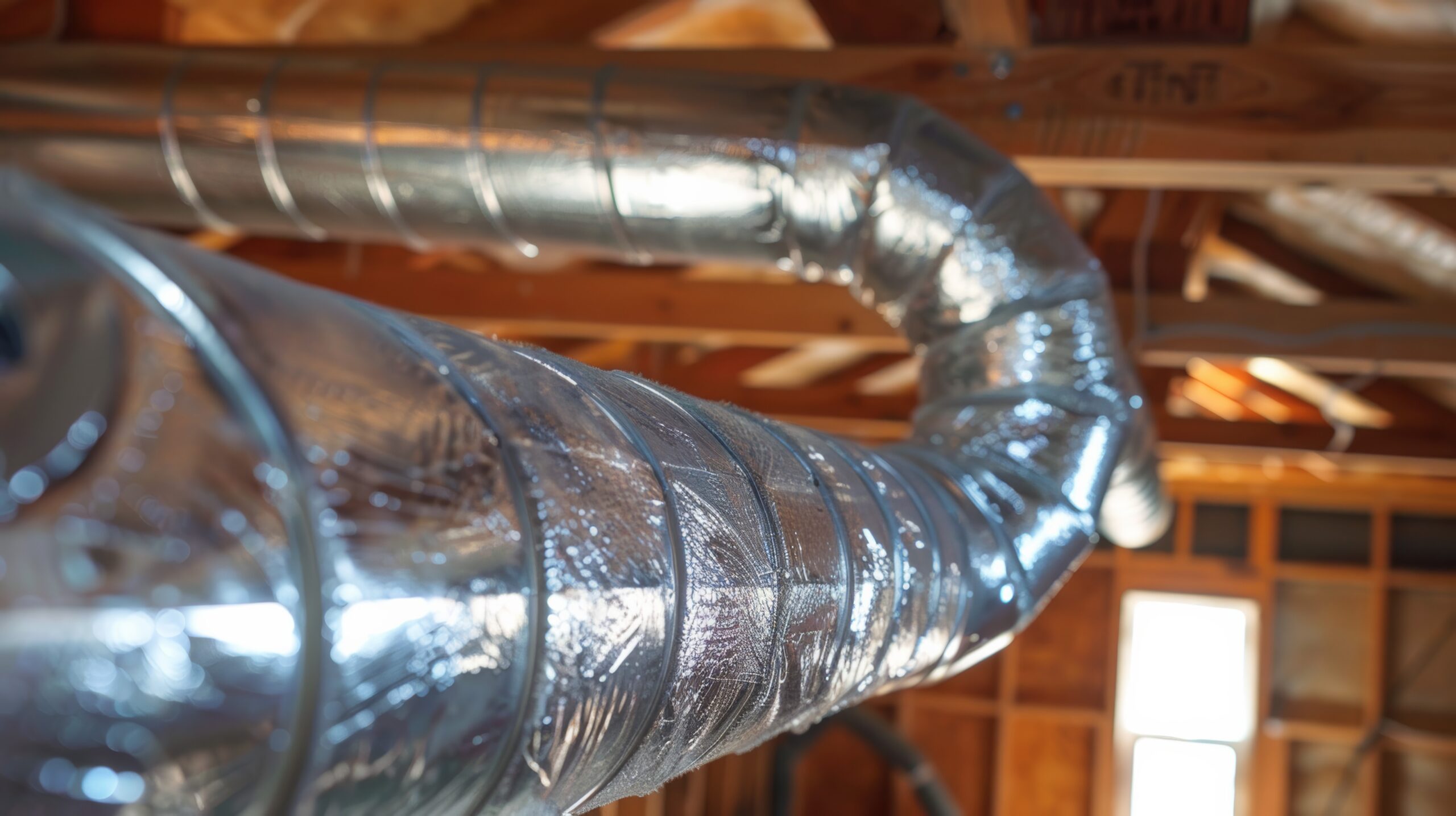
Most ductwork is tucked out of sight in attics, crawl spaces, basements, and inside walls. That’s convenient for aesthetics, but it also means problems can go unnoticed for a long time.
According to ENERGY STAR, duct leaks alone can account for 20-30% of a home’s total heating and cooling loss. In a Greater Philadelphia home where summers are muggy and winters are frigid, that’s a significant amount of energy (and money) going nowhere.
What Exactly Goes Wrong with Air Ducts
Duct problems tend to fall into a few common categories, and each one has a real impact on how your system performs.
Air leaks and gaps. Ductwork is typically made of sheet metal or flexible fiberglass material, joined at seams and connections. Over time (especially in older homes) those connections loosen, develop cracks, and eventually pull apart entirely. This has a direct impact on temperature distribution throughout your home and is one of the most common sources of HVAC inefficiency.
Dust and debris buildup. Your ducts move a lot of air over the years. Dust, pet dander, insulation fibers, and other particles gradually accumulate on the interior walls. Heavy buildup restricts airflow and can reduce the quality of the air you breathe throughout your home. This is especially important if anyone in your household deals with asthma or seasonal allergies.
Mold growth. When moisture finds its way into your ductwork (from a nearby plumbing leak, condensation, or poorly sealed return), it creates the right conditions for mold. Mold in your duct system means those spores get distributed through every room in your home whenever your system runs. This is a problem worth taking seriously, and it’s one where professional assessment is the right move.
What You Can Do About It
Some duct maintenance is DIY-friendly, while other work is best left to a pro. Here’s what to start with:
Clean your supply and return vents regularly. The registers you can see (on your walls, floors, or ceiling) collect dust quickly. Removing them and vacuuming around the opening takes just a few minutes and keeps airflow unobstructed. You can use the brush attachment on your vacuum, then wipe down the register itself with a damp cloth.
Change your air filter on schedule. A clogged filter forces your system to work harder and sends more debris into your ductwork. Check your filter monthly during peak summer and winter weather, and replace it according to the manufacturer’s recommendation – typically every 1-3 months.
Watch for the warning signs. Rooms that won’t reach the set temperature, unusually high utility bills, visible dust buildup, or musty odors are all signals worth investigating.
Keep Your HVAC Running Smoothly with Mattioni
Your ductwork is just one piece of a system that works hard every day to keep your home comfortable. Like any system, it performs best when it’s properly maintained. Catching small issues early, whether it’s a loose connection, a clogged filter, or an airflow imbalance, is almost always easier and less expensive than dealing with them after they’ve affected your comfort or your energy bills.
That’s what regular HVAC maintenance is really about: keeping everything working together so you keep control of your comfort, season after season.
At Mattioni, we’ve been helping homeowners stay comfortable for over 75 years. Ready to schedule a maintenance visit? Book yours online or call us at (610) 400-8510 to have a licensed technician perform a full system inspection.