

The best part about spring is that it feels like summer. Temperatures are climbing, your beach trip is on the horizon, and your AC is about to run every day.
It's also (unfortunately) that time of year when household problems announce themselves: a cooling system that can't keep up, a water heater that's been struggling quietly, or a sump pump that sat idle all winter and isn't ready for the next heavy rain. The weeks before summer are your best window to address these problems on your terms, instead of in the middle of a heat wave or rainstorm.
In fact, ignoring these warning signs could cost you more than just money in bigger repairs down the road. An AC compressor that fails in July could leave you uncomfortable until you can find professional help. A slow leak can become water damage or even structural issues by August. What seems like a minor annoyance in May can turn into an emergency repair bill during the hottest stretch of the year. Homeowners who take action now avoid the rush, the added expense, and the stress of a complete system failure at the worst possible time.
Mattioni has been helping homeowners for over 75 years, and we see the same pattern every spring: problems build up over winter, and then reveal themselves as temperatures rise. That's why we have this guide: to give you the 8 most common issues homeowners find before summer, what each one means for your plumbing and HVAC systems, and which problems need immediate attention versus which ones you can monitor. After reading, you'll know exactly what you're looking at and what to do next.
1 Frozen or Burst Pipe Damage You Haven't Found Yet
You might not realize you had a frozen pipe this winter until you turn on an outdoor faucet in May. Or worse, you find water damage spreading in your basement. When temperatures dropped below 20°F for extended periods this past winter, water inside exposed pipes may have frozen, expanded, and cracked the pipe from the inside without any visible signs until now.
The most vulnerable spots are pipes in exterior walls, crawl spaces, attics, and unheated garages. Even a hairline crack can release enough water to cause damage before you realize what's happening. Before summer water use picks up, check for reduced water pressure at specific fixtures, strange sounds when you open taps, or musty smells near walls that stayed cold all winter.
If you suspect a damaged pipe in your home's plumbing, turn off your main water supply and call a licensed plumber before summer demand reduces scheduling flexibility. What looks like a minor drip often reveals a compromised section of pipe, and the longer water flows unchecked, the more damage it causes to floors, walls, and foundations.
2An AC System That's Not Ready for Summer
You flip the thermostat to "cool" during the first real heat of the season, and nothing happens or the air coming through the vents is barely cool. This is the most common call HVAC companies get in June, and it's almost entirely avoidable with a pre-summer checkup in April or May.
Winter inactivity creates several cooling problems. Your outdoor condenser unit likely accumulated debris, moisture, or even nesting materials from small animals. Internal components can corrode from months without use. Refrigerant levels that were borderline adequate last summer may now be critically low. None of this becomes obvious until the day you actually need the system to perform.
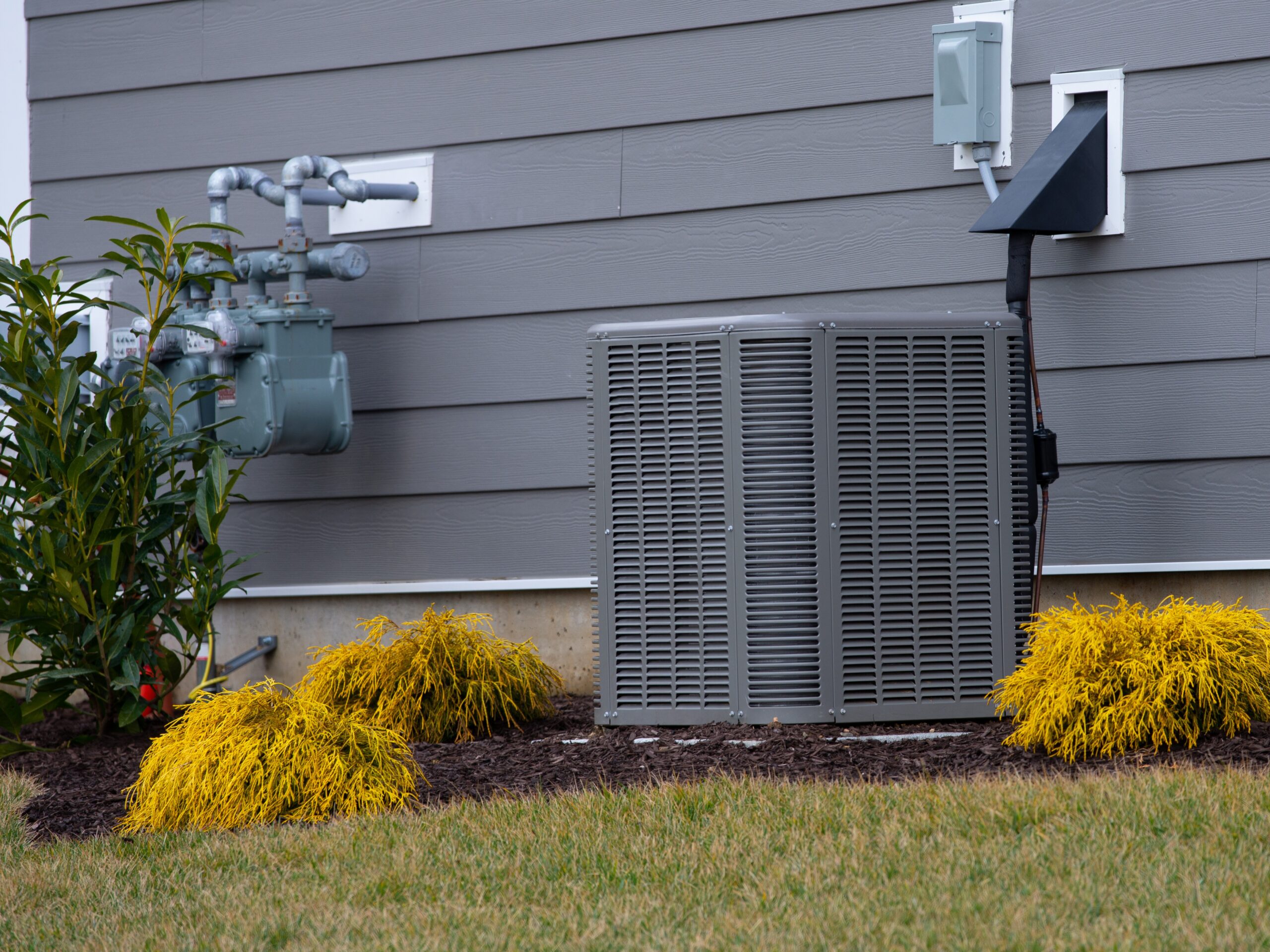
Don't wait for the first 90-degree day to find out your system has a problem. Check your outdoor unit now for visible blockages and debris. Verify the circuit breaker is intact. Confirm your thermostat batteries are fresh. If the system doesn't switch to cooling mode cleanly and quickly, you need professional diagnostics before summer arrives in full force.
3A Water Heater That's Worn Down After Winter
Winter is the hardest season for your water heater. When incoming water drops from 55°F in summer to 35-40°F in winter, your unit burns significantly more energy to deliver the same hot shower.
Check for these signs before summer water use rises. Inconsistent water temperature, rusty or discolored hot water, strange popping or rumbling sounds, and small leaks near the base all suggest your unit took a hit this winter. If your water heater is over 10 years old and showing more than one of these symptoms, you're likely looking at replacement rather than repair — and it's far better to make that decision now than during a summer weekend when your family needs hot water for showers, laundry, and dishes.
Don't dismiss minor leaks or temperature swings as normal. A failing water heater can flood your utility space with 40-50 gallons in minutes. If you notice moisture around the tank base or hot water that runs out faster than it used to, get it inspected before it becomes an emergency.
4 Furnace Wear That Affects Next Season
Your furnace worked harder this past winter than almost any other appliance in your home. Running through cold snaps and extended freezes puts serious strain on heat exchangers, blower motors, and ignition systems. Even if your system ran fine all season, internal components may have worn to the point where next winter's startup becomes a problem.
Cracked heat exchangers are the most dangerous issue because they allow carbon monoxide to mix with your home's air supply. Signs include soot buildup near registers, a faint formaldehyde smell, or increased condensation on windows during operation. Other indicators (like rattling on startup, a blower that runs long after the heat shuts off, or burners that struggle to ignite) all suggest wear that's easier and cheaper to address now than in November.
Age matters here. If your furnace is over 15 years old and worked hard this winter, late spring is the ideal time for a full inspection. A technician can measure combustion efficiency, examine the heat exchanger, and tell you honestly whether you're looking at a minor repair or a system that needs replacing before cold weather returns.
5 A Sump Pump That's Not Ready for Summer Storms
Spring rains are one thing, but summer storms can dump inches of water in a matter of hours. If your sump pump sat idle through a dry winter or struggled during freeze-thaw cycles earlier this spring, you may not discover it failed until your it's too late. A sump pump that can't keep up with a summer storm can cause thousands of dollars in water damage in just a few hours.
Test your pump before summer storm season begins. Pour water into the pit and confirm it cycles on quickly and pumps efficiently. Listen for grinding, humming, or rattling that suggests worn bearings or a jammed impeller. Check for rust on the pump body or a float switch that no longer triggers reliably.
If your pump is more than 7 years old or showed any hesitation this spring, have it inspected before the heavy summer storms arrive. A battery backup system is also worth considering if your basement has flooded before or you store anything of value below grade.
6 Outdoor Plumbing That Needs Attention Before Summer Use
Leaky outdoor faucets and hose bibs often go unnoticed until you turn them on for the first time in May. Freezing temperatures this past winter can crack pipes inside the wall, damage washers, or split the faucet housing itself. You might see water dripping from the spout or pooling near the foundation. As summer lawn care, garden watering, and outdoor cleaning pick up, these leaks can waste hundreds of gallons and can saturate the soil around your foundation, leading to basement moisture problems by midsummer.
Clogged gutters causing water damage become apparent when spring rains arrive and downspouts overflow or water cascades behind the gutter system. Winter debris, ice dam remnants, and frozen leaves create blockages that force water against your fascia boards and roof edge. This overflow can seep into attic spaces, stain siding, and set up conditions for rot and mold to develop during humid summer months. Clear your gutters now so water is directed away from your home all season long.
7 Insulation & Efficiency Issues That Drive Up Summer Bills
Damaged pipe insulation often goes unnoticed until summer humidity causes condensation to form on cold water lines, or you hear dripping sounds behind walls you can't explain. Freezing temperatures this past winter can crack or compress foam pipe insulation, leaving pipes vulnerable to sweating in summer heat and making your air conditioning work harder to compensate. Check exposed pipes in your basement, crawl space, and attic for torn, water-damaged, or missing insulation. Replacing it now costs far less than dealing with moisture damage or a mold issue in August.
Higher energy bills from a system running inefficiently heading into summer will cost you every single month until you address the root cause. If your heating bills this winter jumped 20% or more compared to prior years with no change in habits, your system likely lost efficiency. And an inefficient system doesn't always improve when it switches to cooling mode. A pre-summer tune-up can restore performance, but persistent high bills often signal that key components need repair or that an aging system has reached the point where replacement makes more financial sense before peak season pricing kicks in.
8 Ductwork Problems That Hurt Cooling Performance
Visible gaps or disconnected sections. Winter's freeze-thaw cycles can shift ductwork enough to pull connections apart, especially in unfinished basements or crawl spaces. You might notice sections sagging away from joints or metal tape peeling at seams. These gaps dump cooled air into spaces you're not using, which means your AC works twice as hard to keep the living areas comfortable. Reconnecting and sealing ducts before summer ensures your cooling system performs as efficiently as possible when you need it most.
Rooms that don't cool down no matter how low you set the thermostat. If one bedroom stays stuffy or one area of your home stays warm while the rest cools easily, blocked or crushed ductwork is often the culprit. Insulation, stored boxes, or pest nests compressing flexible ducts restrict airflow to specific rooms. A duct inspection identifies these restrictions so your system can deliver consistent cooling throughout your home, not just in the rooms closest to the air handler. A duct inspection identifies these restrictions so your system can deliver consistent comfort throughout your home rather than just in the rooms closest to the air handler.
Dust buildup around supply vents. When you see dark streaks or dust halos around your vents, it signals air leaks in your ductwork pulling unfiltered air from attics or wall cavities. In summer, that means hot, humid, dusty air getting pulled directly into your living space while your AC fights to maintain temperature. Sealing duct leaks improves indoor air quality, reduces cooling load, and makes your HVAC filter last longer, all before the season that stresses the system the most.
What You Do Before Summer Determines How Your Home Performs All Season
You now know the 8 issues that need attention before summer arrives: lingering damage from frozen or burst pipes, an AC system that hasn't been tested since last fall, a water heater running on borrowed time, furnace wear that will matter when heating season returns, a sump pump that may not be ready for summer storms, outdoor plumbing leaks about to get heavy use, insulation and efficiency gaps that drive up your bills, and ductwork problems that will hurt your cooling performance all season. None of these are random. They follow the same pattern every year, and the homeowners who address them in spring spend a fraction of what emergency repairs cost in the middle of July.
The goal of this guide was to give you the same honest assessment a trusted technician would give after walking through your home. That's how Mattioni has operated for over 75 years, by making sure you have the information you need to make the right call for your home and your budget. When you understand what you're looking at, the decision becomes clear.
If anything in this guide sounded familiar, the next step is a simple one. A pre-summer inspection with a Mattioni technician takes the guesswork out of the equation entirely. We'll walk through your plumbing and HVAC systems, tell you exactly what we find, and give you straightforward options. No pressure, no upselling, just answers. That's the same approach we've brought to thousands of Greater Philadelphia homes, and it's the reason families keep calling us back year after year.
Get Your Pre-Summer Home Inspection
Schedule a complete system evaluation and catch problems before the heat arrives — and before every HVAC company in the region is booked solid.