

Last Revised: 11/3/25
Are you wondering if covering your outdoor AC unit during the winter is a smart way to protect it – or if it’s even necessary in the first place? This is exactly the type of question that savvy homeowners ask themselves when looking to protect their investments.
The cold weather of winter can take its toll on your home in a variety of ways. But answering the question of what to do about your outdoor AC unit before winter sets in isn’t always straightforward.
At Mattioni, we’ve spent over 75 years helping families care for their heating and cooling systems the right way. As a trusted local expert, we understand the confusion around seasonal HVAC care – and we’re here to offer straightforward, expert advice.
In this article, you’ll learn:
- Whether you need to cover your AC during the winter
- How modern AC units are built to handle cold weather
- What types of covers are helpful vs. harmful
- Common homeowner mistakes to avoid
- Better ways to prepare your system for winter
After reading, you’ll have a clear understanding of the best way to care for your AC through the seasons – and avoid costly mistakes.
Modern AC Units Are Winter-Ready by Design
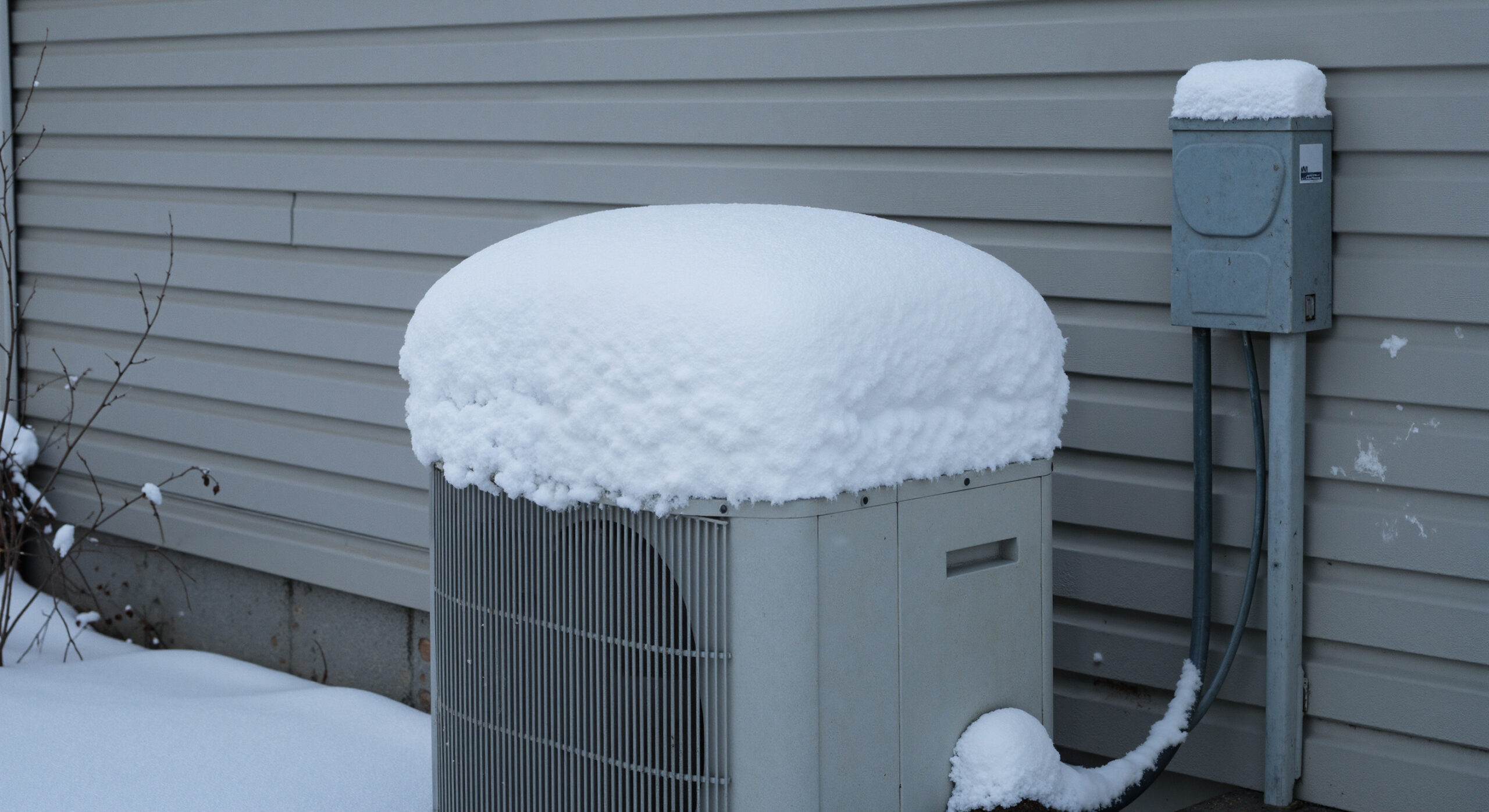
Most central air conditioners are built with durability in mind. The outdoor condenser unit (the large metal cabinet typically located next to your home) is constructed to handle year-round exposure to rain, snow, ice, and wind – except for a few special cases such as units installed in coastal regions.
The internal components are sealed and protected, and the exterior housing is typically made of powder-coated steel or aluminum, which resists rust and corrosion. As a result, trying to protect your unit with a full cover can actually backfire as it will potentially restrict airflow and trap condensation.
Unless your manufacturer specifically recommends covering the unit, it’s usually best to leave it uncovered. These systems are designed to withstand extreme temperatures and weather.
When a Cover Might Make Sense: Special Cases
While a full cover isn’t recommended for most homes, there are situations where partial protection is beneficial. These include:
- Heavy tree cover: If your unit sits beneath trees that drop pine needles, acorns, or leaves, debris can accumulate inside the unit, clogging drainage holes and damaging fan blades. In this case, a top-only cover or mesh guard can help prevent buildup.
- Snow and ice concerns: If your region experiences frequent ice storms or wet snow that accumulates on top of the unit, a waterproof top shield can prevent ice from weighing down and damaging the fan grille.
- Extreme wind exposure: In windy areas, trash or yard debris can blow into the unit. A breathable, vented cover may help – but it’s essential that it doesn’t seal the unit completely.
Dangers of Full AC Covers: Moisture, Mold & Mice
Many homeowners assume that fully wrapping their AC unit in a vinyl or plastic cover is protective – but this can create the perfect environment for damage. And here’s why:
- Trapped Moisture: Even covers advertised as breathable can hold in moisture from the ground or air. With fluctuating winter temperatures, that moisture can turn into condensation, which sits on coils and components. Over time, this leads to rust, corrosion, or even electrical issues.
- Rodents & Pests: Covered AC units provide shelter from the cold, and rodents, squirrels, or insects may take refuge inside, chew wires, or even build nests. We’ve seen spring service calls where entire nests had to be removed – and damaged parts replaced.
- Restricted Airflow in Spring: If you forget to remove the cover before starting the system in spring, restricted airflow can cause overheating, short cycling, or even compressor damage.
Mattioni’s advice? Avoid full-coverage solutions unless specifically recommended by the unit’s manufacturer.
Better Ways to Prepare Your AC for Winter
Rather than rely on a cover, there are several low-risk, high-impact steps you can take to protect your system:
1. Schedule a Fall HVAC Tune-Up
An HVAC tune-up is one of the smartest investments you can make before winter. During a seasonal inspection, a licensed technician will:
- Clean the outdoor unit and remove built-up debris
- Check for rust, corrosion, or damaged components
- Ensure the unit is properly shut down for the winter
- Confirm refrigerant levels and connections are intact
This professional checkup helps catch small issues before they turn into costly spring repairs – and it gives you confidence that your system will start up smoothly when you need it next.
2. Clean The Unit Before The First Freeze
Use a hose on a gentle setting to rinse off dirt, bird droppings, grass clippings, and other debris from the exterior fins and base. Let it dry completely before cold weather sets in to prevent debris from freezing onto coils or trapping moisture inside the unit.
3. Trim Back Plants And Branches
Cut back shrubs, grass, or tree limbs at least 2-3 feet around the unit. This not only improves airflow but also prevents twigs, sap, or leaves from falling into the fan housing and causing buildup or mechanical strain.
4. Inspect For Damage Or Pest Entry Points
Take a few minutes to look for signs of wear, such as rust, chewed insulation, or gaps around the base where animals could get in. Catching these signs early can help you avoid pest-related damage and improve the system’s lifespan.
5. Shut Off The Power To The Unit
Flip the switch at the outdoor disconnect box to shut off power to the AC unit for the season. This prevents it from accidentally turning on during a warm winter day, which could pull water into the system and cause it to freeze when temperatures drop again.
What About Heat Pumps? Different Rules Apply
If you have a heat pump – a system that provides both heating and cooling using the same outdoor unit – the rules are a bit different.
Since heat pumps run throughout the winter, you should never cover them. Blocking airflow can reduce efficiency and even damage the system.
If you’re unsure whether you have a traditional AC unit or a heat pump, give Mattioni a call at (610) 400-8510 – we’ll help you identify your system and recommend the right care.
Mattioni’s Expert Recommendation: Keep It Simple, Stay Informed
With decades of hands-on experience across every kind of HVAC system, our recommendation is clear:
- Skip the full cover. Focus on smart seasonal prep and regular maintenance.
The occasional use of a breathable top-only cover may help in specific cases, but for most homes, your AC unit is better off uncovered, clean, and inspected before winter hits.
If you’d like peace of mind heading into the colder months, schedule a fall HVAC Inspection with Mattioni. Our experienced technicians will clean your system, check for wear and tear, and make sure it’s ready to go dormant safely – so you’re not caught off guard in the spring.
Key Takeaways: What to Remember
When it comes to covering your AC during the winter, here’s the bottom line:
- You don’t need a full cover. Your AC is built to handle snow, ice, and cold temperatures without extra protection.
- In some cases, a top-only cover might make sense. If your unit sits under trees or in an area with heavy ice, a breathable cover over just the top (not the sides) can help – but it should never seal the unit completely.
- Full covers can cause more harm than good. Trapped moisture and nesting pests are common problems that can lead to necessary repairs in spring.
- Regular maintenance matters more than covering. Cleaning the unit, inspecting for damage, and scheduling a seasonal tune-up will do far more to protect your investment.
Ultimately, protecting your AC through the winter is best done with smart maintenance habits and expert care.
At Mattioni, we believe you deserve clear and honest answers to questions like this. With over 75 years of experience, we’re committed to helping you make the best choice for your home.
Are you unsure about the condition of your system? Schedule a seasonal tune-up with a Mattioni pro today or call our friendly team at (610) 400-8510 We’ll clean, inspect, and prepare your unit for winter, so you can head into the cold season with total confidence.