
Last Revised: 10/6/25
Have you heard of outdoor HVAC packages and are wondering whether one could be a good fit for your home? Have you noticed a large, box-like unit outside a neighbor’s house, and are curious how it works compared to a traditional heating and cooling system?
For proactive homeowners, these are the right questions to ask – and while packaged HVAC systems do exist, they’re far less common than standard split systems and are usually the right fit only in very specific circumstances.
At Mattioni, we’ve spent over 75 years helping families in our community make informed choices about their home comfort. We’ve worked with every kind of HVAC system – including residential outdoor HVAC packages – and we know when they make sense and when they don’t.
In this article, you’ll learn exactly what a packaged HVAC system is, how the different configurations work, when it makes sense to install one, and why in many cases a traditional split system or other solution may serve you better.
Let’s jump into it.
What Is a Residential Outdoor HVAC Package?
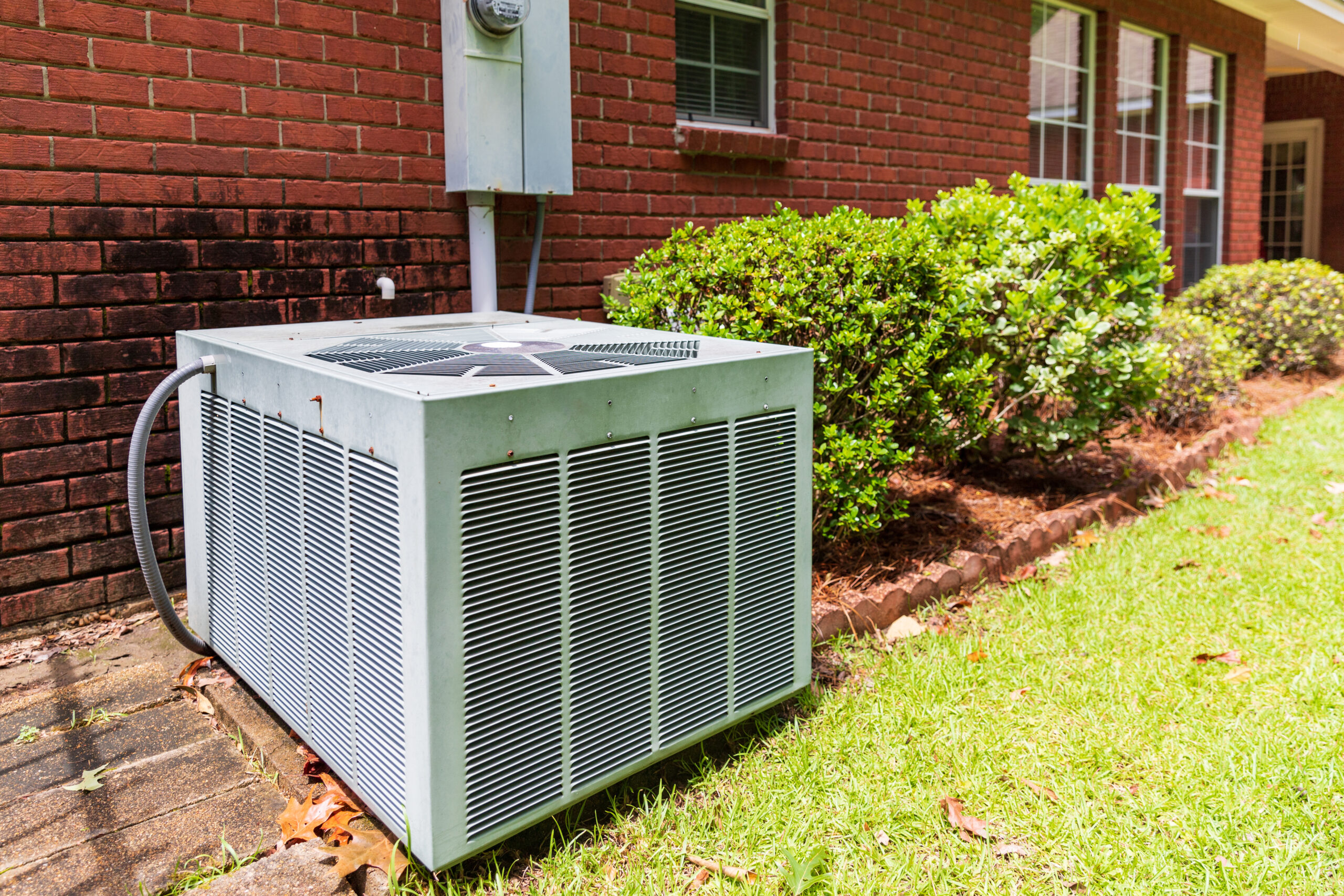
A residential outdoor HVAC package, often called a packaged HVAC unit, combines all the major components of a heating and cooling system into one cabinet that sits outside your home. Unlike a split system – where the air handler or furnace sits indoors and the condenser unit sits outdoors – everything in a packaged system is contained in a single, weather-resistant unit.
A packaged unit connects directly to your ductwork through an exterior wall or rooftop, distributing heated or cooled air throughout your home. This design was created primarily for situations where there simply isn’t room indoors for HVAC equipment, such as in mobile homes, manufactured homes, or properties without basements or utility rooms.
Because of this, packaged units are rarely used in traditional single-family homes unless one was originally installed. In most cases, they are best considered a replacement solution – if your home already has a packaged system and you need to update it – rather than a retrofit option.
Types of Residential Packaged HVAC Systems
When most people think of a packaged HVAC system, they’re thinking of an all-in-one unit that handles both heating and cooling – and for good reason. That’s the most common type of packaged system, especially in mobile or manufactured homes. It combines a central AC unit with a gas furnace. These systems are designed to keep the home comfortable year-round by combining heating and cooling equipment into a single outdoor cabinet.
From there, the systems branch into different configurations, depending on how they generate heat and how they perform in different climates.
Some packaged units utilize a heat pump, which provides both heating and cooling in one unit. Heat pumps are popular in moderate climates, and in colder regions it may need supplemental heat (like heat strips) to keep up with heating demand.
Finally, there are dual-fuel packaged HVAC systems, which combine both a heat pump and a gas furnace in one cabinet. The system automatically switched between electric and gas depending on outdoor temperatures, maximizing efficiency while ensuring dependable heating in very cold weather.
If you’re looking at a packaged HVAC system, you’re most likely looking at a version that provides both heating and cooling in one unit.
Benefits of Packaged HVAC Systems
When installed in the right type of home, packaged systems do offer some advantages. Because the entire system is outdoors, they free up indoor space that would otherwise be taken up by a furnace, coil, or air handler. This can be especially valuable in mobiles homes, where every square foot of living space matters.
Packaged HVAC units also simplify installation and service. With all the components contained in a single unit, technicians can perform maintenance or repairs without having to navigate attics, closets, or crawlspaces. Additionally, since the blower and compressor are outside, indoor noise levels are typically lower compared to traditional split systems with an indoor unit.
These benefits make packaged systems a logical solution in mobile homes, but they do not necessarily translate into advantages for most single-family homes where space for indoor equipment already exists.
Important Considerations Before Installing a Packaged HVAC Unit
If you’re thinking about installing a packaged HVAC unit, it’s important to be aware of the limitations.
First and foremost, packaged units aren’t commonly retrofitted into homes that already have traditional split systems. Converting from a split system to a packaged setup usually requires extensive ductwork changes and outdoor modifications, which can be cost-prohibitive compared to simply replacing your existing furnace and AC unit.
Packaged HVAC units also call for more regular maintenance and professional tune-ups more than once per year as they’re exposed to weather year-round, leading to much more wear and tear.
When Does a Packaged Unit Make Sense?
At Mattioni, we only recommend installing a packaged HVAC unit if you’re replacing an old one. Their most practical application is in mobile homes, where they’re the standard.
Attempting to install a packaged unit in a traditional home with a basement, attic, or mechanical room rarely provides any benefits and will likely add complexities and costs.
In these cases, homeowners are typically better served by upgrading to a modern split system or considering alternatives such as ductless mini-split systems or heat pumps. These options offer greater efficiency, more flexible installation, and greater long-term reliability.
Matching Your Home with the Right System
Residential outdoor HVAC packages are specialized systems that offer practical, space-saving comfort for mobile and manufactured homes. They can be an effective replacement when one is already installed, but for most homeowners, a traditional split system – or a mini-split system – remains the more reliable, efficient, and cost-effective choice.
At Mattioni, we understand just how important it is to choose the right system for your unique home. That’s why we take the time to have a conversation with you, answer all your questions, and evaluate your space before explaining your options. We’ll guide you toward the solution that’ll give your home comfort and peace of mind for years to come.
If you’re considering a packaged system – or any HVAC upgrade – schedule a consultation online with Mattioni today or call our friendly staff at (610) 400-8510. Our team will make sure you know exactly what to expect and help you invest wisely in your home’s comfort.