

A boiler isn’t just any old appliance — it’s the heartbeat of your home’s comfort for half the year. When it comes time to reinvest in yours, quick research can be the difference between real peace of mind and real problems down the line.
In this guide, we’ll walk through the most important aspects of replacing your boiler. It’ll give you what to look for, which questions to ask, and how to choose a system that’ll keep your home warm and worry-free for years to come.
Table of Contents
Cost Factors & System Choices
A new boiler can cost anywhere from $9,000 – $25,000, but our customers typically pay between $13,000 – $17,000. While a price range that wide may be hard to understand at first, it shouldn’t necessarily come as a surprise. There are some major differences in system designs, fuel types, energy efficiency ratings, heating capacities, and more that can significantly drive prices up or down. These differences also impact your comfort, ongoing energy costs, and the environmental impact of your home.
Here’s a little bit more about each of your system choices and how they factor into total costs:
System Design
How Boiler System Design Affects Your Home
The design of your boiler directly impacts how it integrates with your home’s existing plumbing and heating layout.
- Conventional boilers use separate equipment from your water heater, allowing them to more consistently keep up with hot water demands of larger homes with multiple bathrooms or several occupants. This setup (a completely separate boiler and water heater) provides a steady supply of hot water, even when multiple taps are in use.
- Combination (combi) boilers, on the other hand, provide both space heating and domestic hot water on demand, without the need for a separate water heater. Their compact design makes them ideal for smaller homes or spaces with limited mechanical room.
Each design type has implications for space, hot water availability, long-term maintenance, and price. Combi boilers are the more complex system type and generally carry higher installation costs, but are also typically more efficient and cost-effective in the long-run. Conventional boilers are typically the better fit for larger homes.
Fuel Type
Pros & Cons of Each Fuel Type
Boilers are powered by one of several fuel sources — each with its own benefits, availability, and operating costs.
- Natural gas is the most common fuel in urban and suburban areas due to its high efficiency, affordability and convenience.
- Propane is a popular high-efficiency alternative in more rural settings where natural gas lines aren’t available.
- Oil boilers are common in older homes and are still a good fit for colder climates, but are gradually being phased out in favor of cleaner-burning options.
- Electric boilers offer simple installation and no on-site emissions, but typically have much higher operating costs due to electricity rates.
The availability of fuel in your area and the infrastructure already in place in your home will strongly influence your choice (although converting from one fuel type to another is an option). Homeowners are also increasingly aware of fuel costs and environmental impact when selecting a boiler. Fuel type impacts both upfront boiler costs and long-term operating expenses, making it a critical driver of total system pricing.
Energy Efficiency (AFUE)
Balancing Upfront and Long-Term Costs
AFUE, or Annual Fuel Utilization Efficiency, is a rating that every boiler receives to measure how efficiently that system converts fuel into usable heat. For example, a boiler with a 92% AFUE rating generates 92 cents of usable heat per dollar of fuel. Older boilers may operate with AFUE ratings in the 80-85% range, while modern high-efficiency condensing boilers can exceed 95-97%.
Higher-efficiency boilers will not only lower your monthly utility bills but also potentially qualify for rebates and tax incentives in many areas. While high-efficiency boilers cost more upfront, they offer long-term savings – making them a smart investment for the future of your home finances.
- Note: Rebates and tax incentives related to energy efficiency are made through manufacturers, energy providers, or government programs.
- High-Efficiency Boilers vs. Standard Efficiency Boilers
Heating Capacity/System Sizing (BTUs)
Matching Your Home’s Heating Needs
The heating capacity of a boiler is measured in BTUs (British Thermal Units) and determines how much space the unit can effectively heat. It’s also referred to as the system’s size.
Choosing the correct BTUs for your home is critical as a boiler that’s too small won’t be able to keep your home warm, and one that’s too large will cycle inefficiently and wear out faster. You’ll need to consider your home’s square footage, insulation rating, amount of sunlight received, climate, and more when determining your boiler’s BTUs.
Boilers with higher BTU ratings typically cost more, but overspending on capacity you don’t need can lead to unnecessary upfront and lifetime costs.
Auxiliary Components
Enhancing Your Home’s Comfort
Modern boiler systems often include auxiliary components that optimize performance, comfort, and safety. Circulatory pumps ensure hot water flows evenly throughout the home, and thermal expansion tanks accommodate pressure changes to protect the system. Zoning valves allow different areas of the home to be heated independently, and advanced digital controls can improve usability and efficiency.
Indoor air quality products like air scrubbers, air purifiers, and fresh air ventilation systems can also enhance the comfort and functionality of your home. Opting to install any auxiliary component at the same time as your boiler offers savings on installation costs, but can also protect your system and extend its lifespan.
Installation Complexity
Increased Installation Complexity = Increased Costs
Installing a boiler isn’t a one-size-fits-all process. In a newly built home, the installer has the freedom to design the system for optimal efficiency and infrastructure layout. Retrofitting a boiler in an older home, however, often requires replacing or adapting outdated piping, venting, and control systems.
The good news is that, for the most part, a new boiler installation is simply replacing an outdated one, meaning that many times there aren’t any significant installation complexities.
Still, boiler installation projects may call for more labor hours, advanced skills, and additional materials, which can all raise the final invoice. Local codes and permitting also play a role in project timelines and cost. Installation simplicity or complexity can potentially be one of the most significant factors in determining final boiler system pricing.
How to Opt Out of Your Boiler
Are you tired of your clunky baseboard heaters or radiators? Are you looking for a more streamlined heating system that’s less of an eyesore? There’s good news – you can convert from a boiler-based heating system to alternatives like a forced-air furnace or a heat pump. But the process comes with important considerations.
Furnace Conversion
Forced Air Heating
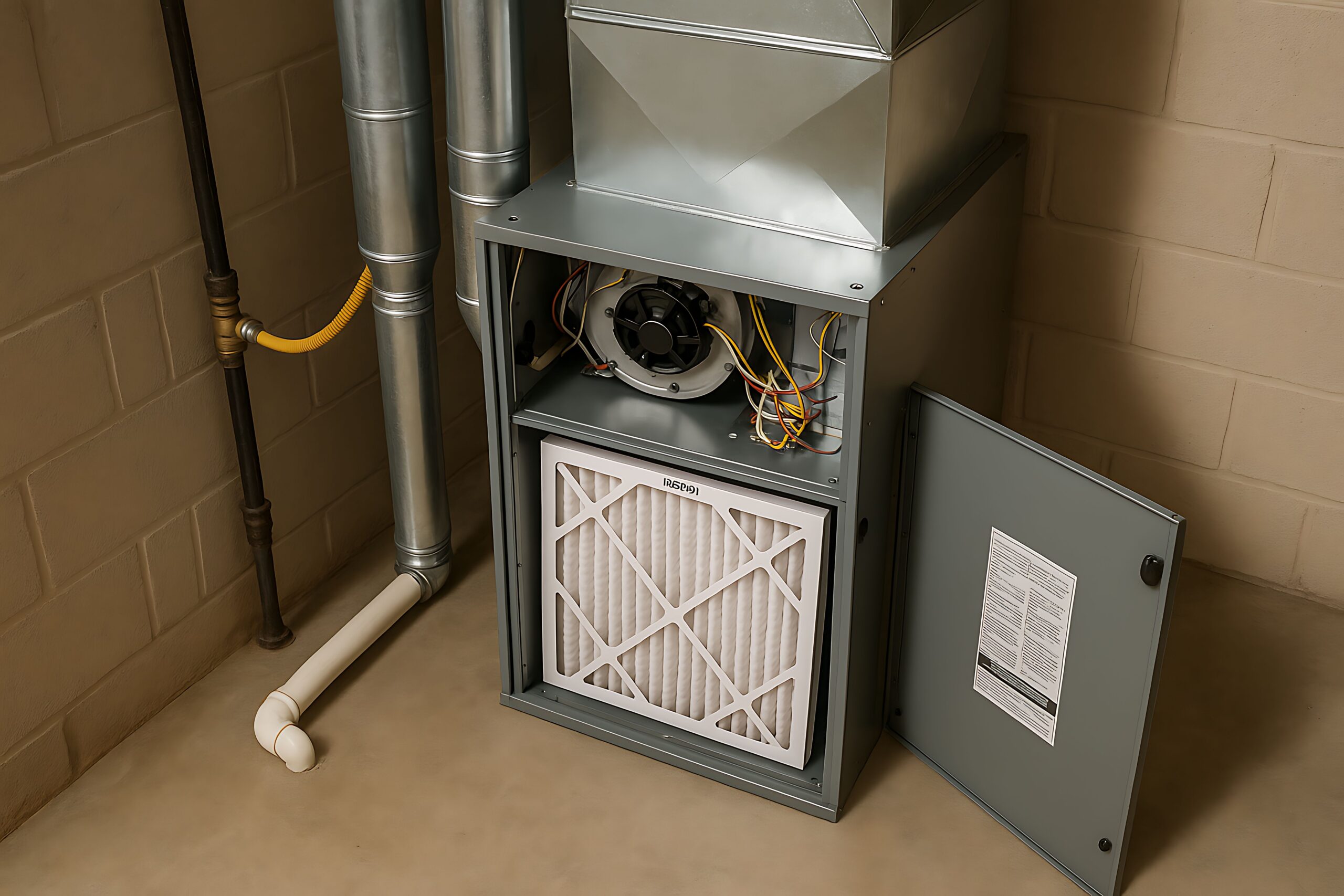
Switching from a boiler to a furnace involves replacing your water-based system with air-based one, which requires installing ductwork throughout your walls, ceilings, and floors. If your home already has ductwork in place for central air conditioning, you’re ahead of the game – but keep in mind that heating typically requires larger ducts than cooling alone. In some cases, the existing ductwork may need to be resized or upgraded to deliver proper airflow for heating.
If your home has no ductwork at all, installing a full system can be a significant renovation. That said, a furnace offers fast, consistent, whole-home heating without taking up floor space in your living areas, making it a smart, space-efficient upgrade for many homes.
Heat Pump Conversion
Efficient, All-Electric Heating (And Cooling)
A heat pump also uses ductwork to deliver air-based heating throughout the home, unlike your boiler. The two key differences with heat pumps are that they utilize electric heating instead of a combustible fuel source, and that they provide both heating and cooling. This makes heat pumps an efficient and cost-effective option for homes with existing ductwork, although resizing ductwork may be required to support certain heating outputs.
Mini Split Conversion
Zoned Comfort Without Ductwork
For homes without ducts – or for homeowners who want more room-by-room control – a ductless mini-split system is another option. These systems use small wall-mounted air handlers (or “heads”) connected to an outdoor compressor, delivering zoned heating and cooling directly to each individual room.
The fact that they don’t require ductwork may seemingly make mini-splits a great match for boiler replacements, however it’s very important to note that you’ll need to install multiple indoor heads to match the heating output and coverage that you’re used to. This can lead to significant installation complexities and therefore higher upfront costs. Still, for the right home, mini-splits offer flexible zoning, year-round comfort, and excellent energy savings without the need for ductwork.
A Little Bit More on Boilers…
The more you learn about boilers, the more complex the information becomes. But it’s important to remember this is a large home investment you’ll only make once every 12 to 15 years. So doing some research now can ensure that you make the right choice for the long run. Plus, it’ll help you steer the conversation when consulting with HVAC installation companies like us.
Induced Draft vs. Natural Draft
- Induced draft boilers use a fan to actively draw combustion gases out of the boiler and control airflow. This forced movement allows for more precise combustion control, higher efficiency, and the ability to vent throughout sealed systems – making them better suited for energy-conscious homes.
- Natural draft boilers, on the other hand, rely on the buoyancy of hot gases to rise through the flue, pulling in fresh air passively without mechanical assistance. This method is simple and has fewer moving parts, but it’s less efficient and more susceptible to environmental factors like wind or chimney height.
Condensing vs. Non-Condensing
- Condensing boilers are designed to capture and reuse lost heat, which causes water vapor to condense back into a liquid in the exhaust. This process significantly improves efficiency – often reaching 90-98% AFUE – and reduces operation costs and emissions. While they require a condensate drain and corrosion-resistant materials, their long-term savings and environmental benefits make them the preferred choice for modern heating systems.
- Non-condensing boilers, by contrast, vent hot combustion gases directly outside, losing a significant amount of heat energy in the process. These systems are typically less efficient, operating at around 80-89% efficiency, and require a conventional flue chimney.
Impact on Your Water Heater
A boiler is capable of doing more than heating your home — it can also provide domestic hot water when paired with an indirect water heater. In this setup, the boiler heats water that circulates through a coil inside a separate storage tank. This indirectly heats the water you use for showers, sinks, and appliances. This method is highly efficient, especially in the winter when the boiler is already running frequently, but is less efficient in the summer when it calls on your boiler just for hot water.
The impact is typically positive: indirect water heaters tend to last longer, require less maintenance, and deliver faster recovery rates compared to standard tank water heaters. When integrated with a high-efficiency boiler, they can significantly reduce energy usage and operating costs – making them a smart option for homeowners looking to streamline their heating and hot water systems.
Climate
If you live in a cold climate, then your home will be well-served by a boiler. But if you live somewhere with mild winters, you may be better suited with another heating system – like a heat pump. Boilers are a great fit for homes that consistently need heating for an entire winter. Be sure to ask your HVAC professional about which heating systems are best for your climate.
Maintenance
Protecting your investment is essential. And the most important maintenance step you can take is scheduling a yearly inspection and tune-up from a professional. Having this done in the fall is smart as you’ll address any new or lingering issues before heating season ramps up.
Between professional services, it’s wise to monitor system pressure, keep air vents and radiators free of obstructions, and check for unusual noises or fluctuations in heat output. Staying on top of maintenance helps prevent breakdowns and can extend they system’s lifespan, so don’t wait to address any new problem that may arise.
More Resources
- Your Boiler Replacement Options in 2025
- Why Is My Energy Bill So High in Winter?
- 8 Key Considerations When Evaluating Oil vs. Natural Gas Heating
- Are You Worried About How You’ll Afford Home Maintenance in 2025?
- What Should I Look for Before Choosing an HVAC Installation Company?
- 4 Green Flags You Found a Trustworthy HVAC Contractor

Mattioni has seen many changes throughout our history, but one thing remains the same: our dedication to our customers.
Now in our third generation of family ownership, Mattioni continues to hold our values above all else.
All of our plumbers and sewer technicians graduate from a rigorous training and apprenticeship program led by our master plumbers. All of our staff participate in continued training, so that we can continue to bring our customers a 5-star experience.
We proudly serve homeowners in Chester, Delaware, Montgomery and parts of Bucks counties.
Our mission remains simple: provide high quality home services, because everyone should have a comfortable house to call home.
Simply put, our services are guaranteed to go swimmingly.
Why Homeowners Choose Mattioni