
Yes. Ragweed and its relatives (mugwort, pigweed, sagebrush) release pollen across Pennsylvania from mid-August through the first frost, usually mid-to-late October.
Roughly two months, from mid-August to the first frost, longer if warm weather returns in late September or early October.
A fever points to a cold or flu, not allergies. Itchy, watery, or puffy eyes point to allergies. A sore throat with persistent coughing usually means a cold.
Last Revised: 9/14/26
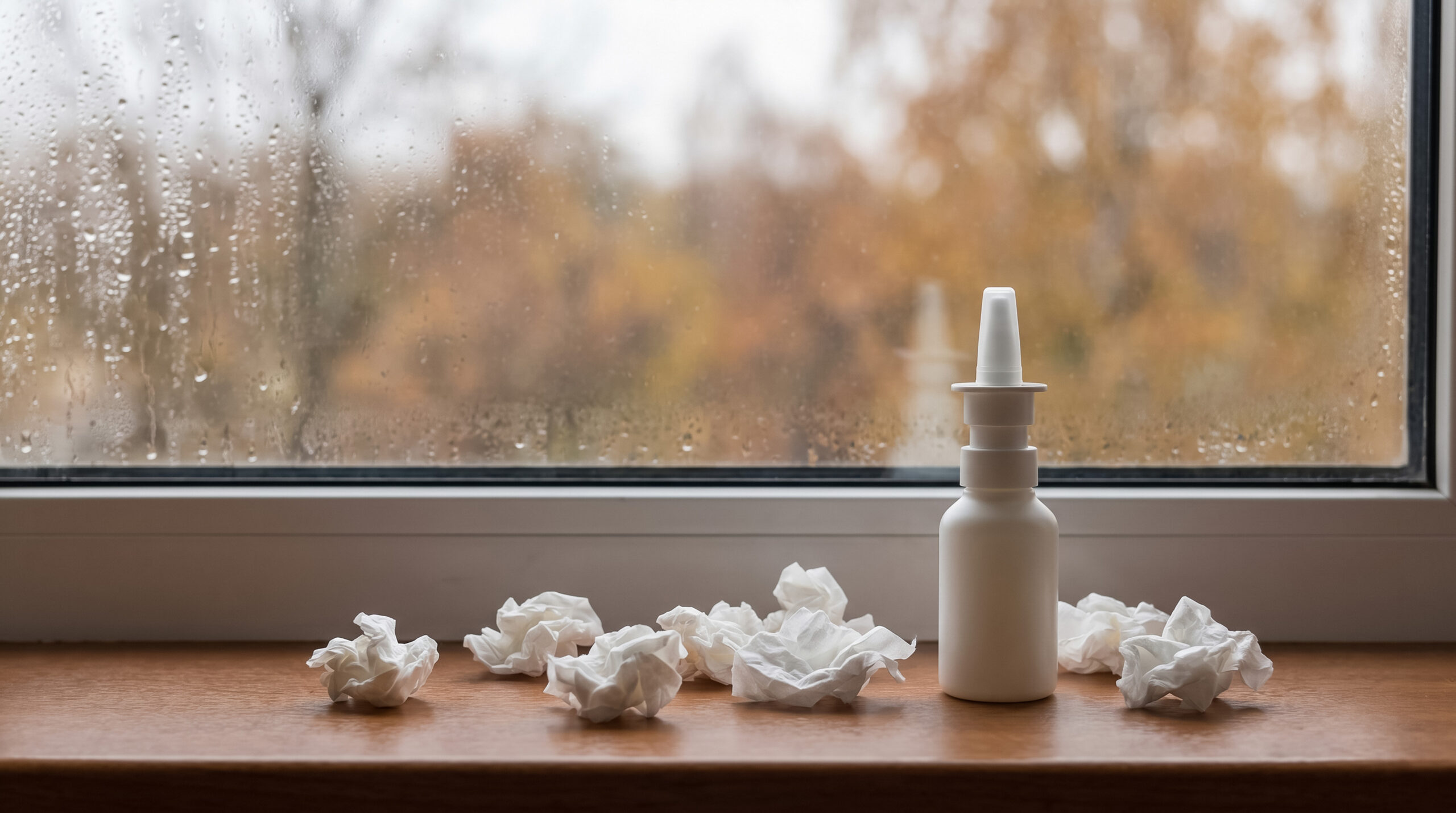
Fall is synonymous with pumpkins, football, and that pile of leaves we need to rake together at some point. Unfortunately, it’s also the time of year when runny noses, scratchy throats, and puffy eyes can start to creep in. Ahh yes, it’s that fun time of year when we all stock up every room in the house with a box of Kleenex tissues.
But here’s what can trip you up in the fall: what seems like it might be a cold, the flu, or a sinus infection might actually be fall allergies.
That’s right, allergies (and everything they bring) aren’t just something that happens in spring. In fact, many pollen-producing plants run rampant across Pennsylvania each year between summer and winter. That’s why figuring out what’s actually causing your runny nose, watery eyes, or congestion is so important.
Before you jump to any conclusion and start taking meds for a cold or sinus infection, you’ll want to answer “is this just fall allergies?” Because the two are different concerns with different roads to relief.
The part most allergy advice skips: your air indoors
Sealing up the house for fall is great for efficiency, but it traps the pollen, dust, and mold spores that are already inside. Firing up the furnace for the first time blows a summer's worth of dust straight into your living room, sometimes with a mildew smell HVAC pros call "dirty sock syndrome." The fix is specific: a HEPA-rated air purifier and humidity held between 30–50% via a combination of a humidifier/dehumidifier. Here's the full breakdown ↓
Why do my allergies get worse every fall?
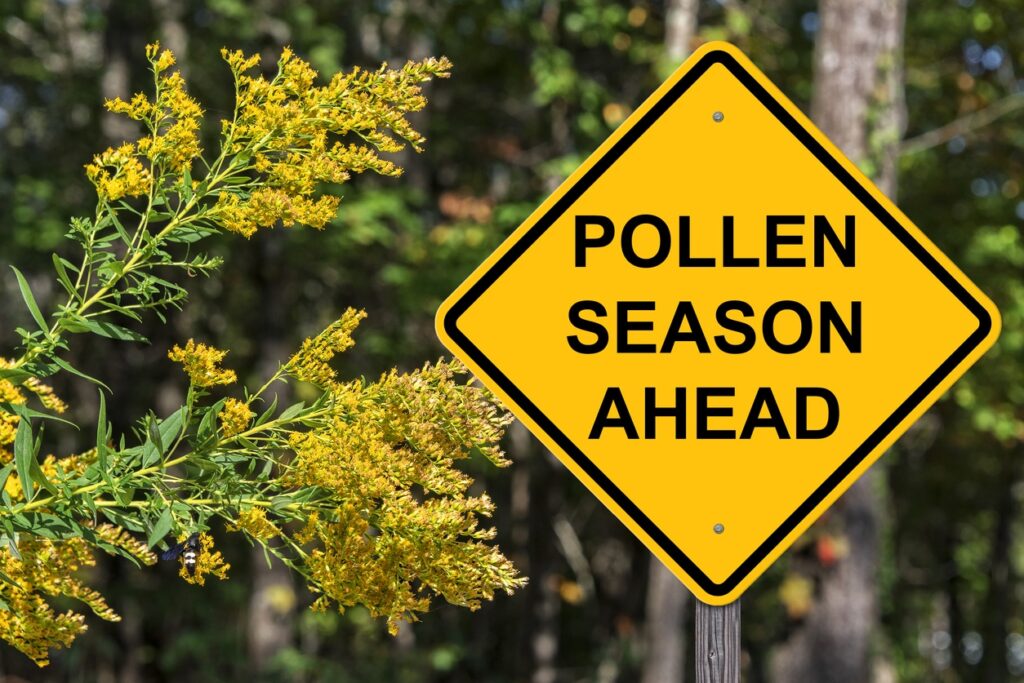
For the most part, it’s a pesky plant called ragweed. Ragweed is a normal-looking weed that grows just about anywhere and everywhere in PA. One ragweed plant can release more than a billion grains of pollen in a season, which can potentially travel for miles in the wind.
It’s not just ragweed, though. Mugwort, pigweed, and sagebrush (all cousins of ragweed) also flourish in the fall and are infamous for triggering stuffy or runny noses, itchy or watery eyes, and that scratchy-throat feeling.
But weeds are just a part of the picture. Right around October and November is also the time when you’ll turn on your furnace for the first time in months. That means a whole season’s worth of dust and whatever else settled in your ductwork is getting kicked up and blown back into your living room.
Between the autumn pollen outside and the dust kick-up inside, it’s no surprise that you might not be feeling 100% in the fall.
How long does fall allergy season actually last in PA?
Since fall allergy symptoms overlap with the typical start of the common cold season (both of which happen around the time the kids are back in school), it can be easy to misjudge what you’re actually dealing with.
In Southeastern Pennsylvania, ragweed starts releasing pollen in mid-August and can continue all the way until the first frost of the year, which usually happens in mid to late October. That’s roughly two months of fall allergies. And if the weather turns warm again in late September or early October, the triggers may reappear just as bad as they did earlier in the season.
Allergies or a Cold? Here’s How to Tell
Knowing the difference between fall allergies and the common cold can be the difference between relief and another week under the weather. After all, treating a sinus infection like it’s “just allergies” for three weeks is how a lot of people end up miserable longer than they need to be. Here are some guidelines:
- If you’re running a fever, you’re likely dealing with a cold, the flu, or something else; not allergies.
- If you’re dealing with itchy, watery, or puffy eyes, it’s almost certainly fall allergies.
- If you have a sore throat or persistent coughing, then you probably have a cold.
Fall allergies can lead to a sinus infection if the symptoms are bad enough for a long enough time. When swelling blocks your sinuses from draining properly for too long, trapped mucus can breed bacteria, and a sinus infection can develop. The warning signs of a sinus infection are more severe than just allergies:
- Congestion lasting more than 7 days
- Greenish or yellow mucus
- Facial pain or pressure around your eyes and nose
- A fever coinciding with allergy symptoms
If you’re dealing with any of these, it’s well worth a call to your doctor to find the fast path to relief.
How much pollen is outside in the fall?
You don’t have to hide inside for two months to protect your health during the fall. Small habits like routinely checking the pollen forecast can dramatically improve your health and happiness between the end of summer and the start of winter.
On high-pollen days, keep windows closed since that “fresh” air is likely bringing pollen right into your living room. Shower (or at least change clothes) when coming back inside after spending hours outside. And if you’re taking all of these precautions already and you’re still dealing with persistent symptoms, speak with your doctor about finding a treatment.
What’s happening when you’re inside?
Here’s the part that most homeownership advice skips right over: sealing your home tight is great for your heating bill, but it can negatively impact your indoor air quality. In other words, when your windows and doors are sealed shut and your furnace is running, then whatever pollen, dust, and mold spores are in your home have nowhere to go.
The EPA has said openly that indoor air “can be more seriously polluted than the outdoor air,” and its own research has found levels of common indoor pollutants 2 to 5 times more prevalent inside than outside. In PA, fall is the time of year when homeowners find this out the hard way.
What happens when you turn your furnace back on?
Your furnace has been sitting idle all summer, literally collecting dust. So when it kicks on for the first time in October or November, it will inevitably circulate every bit of dust that’s settled in your ductwork through your entire house.
That can bring a musty, mildew-like smell that HVAC technicians call the “dirty sock syndrome.” It happens when there’s mold and bacteria built up on your system’s evaporator coil, which gets kicked up and blown out through your vents. It’s a real, fixable HVAC issue, not one that you need to live with.
Coil cleanings, filter changes, and humidity control will typically put an end to the pesky dirty sock syndrome.
Which air filter actually stops what
Not all filters do the same job. They’re rated by MERV (Minimum Efficiency Reporting Value), which tells you what it’s capable of catching:
- MERV 8: It’s the baseline most furnace filters come pre-installed with. They work fine if no one in the house is sensitive to allergies. MERV 8 filters will do a good job of catching dust, pollen, and lint.
- MERV 11: This is the sweet spot filter for most people who deal with allergies or have pets. They’ll do a better job than MERV 8 filters at catching pet dander and mold spores.
- MERV 13: These trap particles down to 0.3 microns, adding smoke and bacteria to the list of what it’s capable of filtering out. They’re great for people with asthma or allergies, but confirm with your technician before installing one as it must match your home’s specific HVAC system.
There’s a next step in residential air filtering. Whole-home air purifiers are rated by HEPA (High-Efficiency Particulate Air), which captures particles with up to 99.9% efficiency. That’s a class above any MERV filters that come standard with a furnace.
Air purifiers start around $1,500 and are the equivalent of hospital-grade filters. They tackle all the normal indoor air quality issues, plus VOCs (volatile organic compounds).
Humidity isn’t just about comfort
Mold needs excess moisture to establish itself in an area of your home. But if you go too far with dehumidification, you’ll wind up with dry, irritated sinuses and skin. So what do you need to know today? Here’s what you can do about it now. The EPA recommends keeping indoor humidity between 30-40%; whole-home humidifiers start around $1,500.
Choose Mattioni for Indoor Air Quality Solutions
You shouldn’t have to live in a stuffy living room, or sleep in a bedroom with air so dry it irritates your nose, especially when the winter weather starts to set in. There’s a real path to transforming your home’s environment into one that’s refreshingly welcoming.
When you call us, you’ll get access to a team of certified pros who will match your home with the right air quality system. Whether it’s an air purifier, air scrubber, dehumidifier, or humidifier, there’s a real way to change the script on how it feels to live in your home.
Family-owned and operated, with over 75 years serving Chester County and the surrounding Philadelphia suburbs, Mattioni has the know-how to match the right combination of equipment to your home’s priorities. Call our friendly experts at (610) 400-8510 to take the next step towards breathing easier now, or book your appointment online.