
Last Revised: 10/24/25
Does your home struggle to stay comfortable, no matter how much you run the heat or AC? Have you noticed uneven temperatures from room to room – or energy bills that spiral out of control?
These symptoms often point to hidden air leaks called drafts – one of the leading causes of energy waste, high utility bills, and discomfort in homes.
At Mattioni, we’ve spent over 75 years helping homeowners get the most out of their HVAC systems. And although we don’t provide home sealing services directly, we believe a well-sealed home is essential to keeping your heating and cooling systems running efficiently.
In this article, we’ll show you:
- What causes air drafts and how to spot them
- Where drafts tend to show up in the home
- How you can seal them yourself using proven methods
- When it may be time to bring in an energy-efficiency expert
Let’s begin by looking at what causes drafts and how they impact your comfort – and your wallet.
What Causes Drafts in Your Home?
Drafts are typically caused by unsealed gaps or cracks in your home’s building envelope – the boundary between the indoors and outdoors. Over time, materials around windows, doors, attic hatches, electrical outlets, and even plumbing penetrations can degrade or shift, creating small openings that allow outside air to enter and conditioned air to escape.
Temperature and pressure differences between indoors and outdoors can worsen this effect. In winter, warm air rises and escapes through attic leaks, pulling cold air in through lower-level gaps – a phenomenon known as the stack effect. In summer, the reverse occurs, which can drive up cooling costs.
The result? Your HVAC system works harder, energy bills rise out of control, and you’ll still feel uncomfortable.
How to Find Where the Drafts Are Coming From
Before you can seal a draft, you need to know where it’s coming from. There are a few effective ways to detect air leaks in your home:
- Visual Inspection: Check around windows, door frames, baseboards, and any wall or ceiling penetrations (like outlets, pipes, or vents). Look for cracks, gaps, or crumbling caulk.
- Touch Test: On a cold day, slowly run your hand around edges of doors and windows – any spot where you feel cold air could be a leak.
- Professional Energy Audit: For a more precise diagnosis, Mattioni can perform a blower door test to identify hidden leaks throughout the home.
Locating the source is half the battle – next comes sealing the leaks effectively.
The Best Ways to Seal Drafts – Room by Room
Sealing drafts depends on where they are. Different areas of the home require different materials and methods:
Windows and Doors
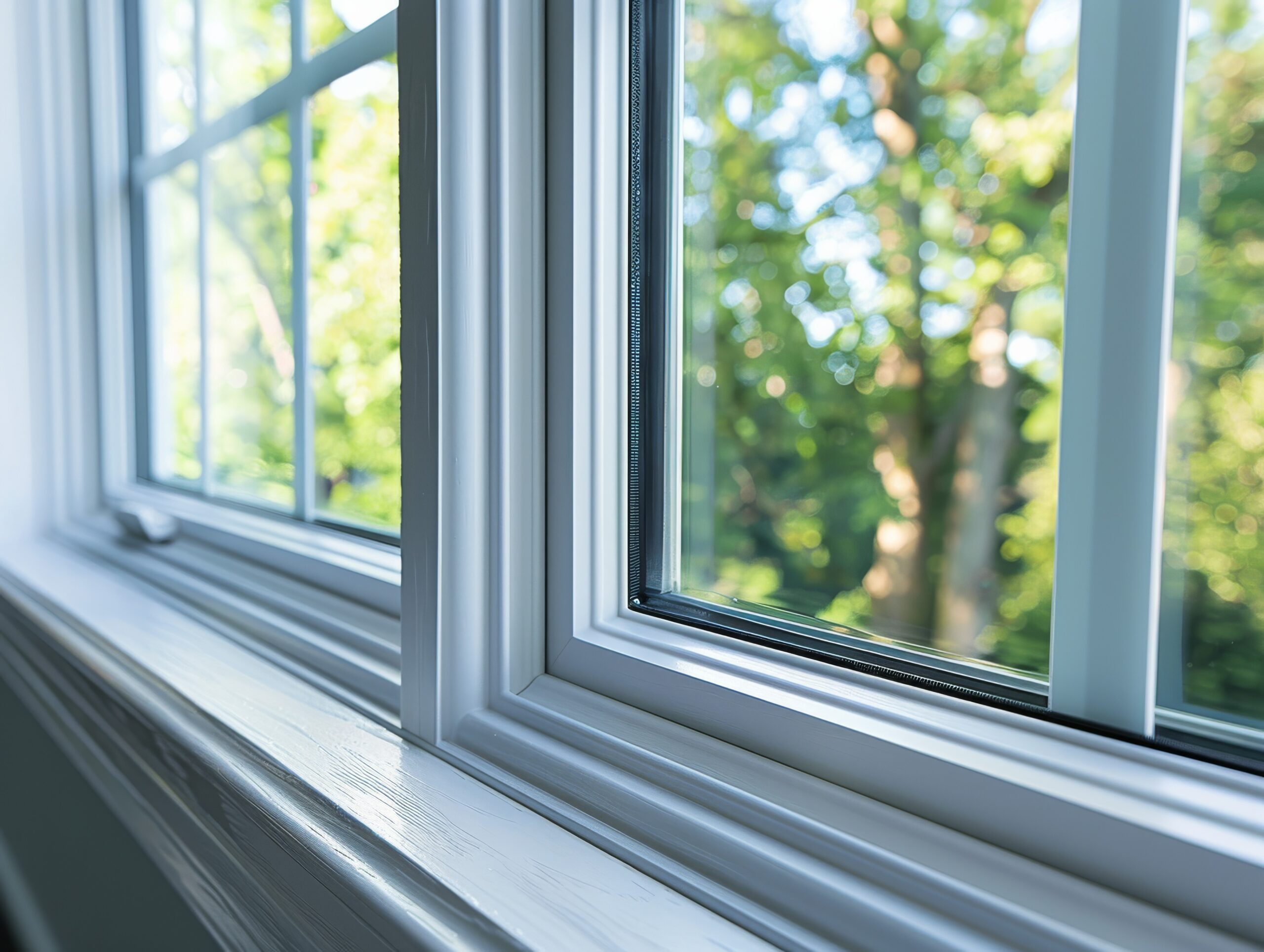
- Weatherstripping: Install adhesive-backed foam or rubber weatherstripping around moving parts of windows and doors to create an airtight seal.
- Door Sweeps: Attach these to the bottom of exterior doors to block air from entering underneath.
- Caulking: Use exterior-grade caulk to seal any visible cracks or gaps where the window or door frame meets the wall.
Attics and Ceilings
- Insulation: Poor attic insulation is a major contributor to drafts. Adding or upgrading insulation can reduce airflow and energy loss.
- Air Sealing: Use expanding foam or caulk around plumbing vents, recessed lighting, and attic hatches.
Walls and Floors
- Outlet Gaskets: Install foam gaskets behind light switches and outlets on exterior walls.
- Baseboard Gaps: Caulk small gaps where baseboards meet floors or walls to reduce airflow.
Each of these fixes can improve comfort – but their effectiveness multiplies when applied throughout your home.
When to DIY and When to Call the Pros
Some air-sealing solutions are quick and easy for a DIY-savvy homeowner. But other leaks are hidden, hard to access, or require specific tools and expertise to address properly.
Here’s when to call in a professional:
- Your energy bills are high despite sealing visible leaks
- You can’t pinpoint where the drafts are coming from
- Your attic or insulation is outdated or damaged
- You’re planning HVAC upgrades and want to maximize efficiency
While Mattioni doesn’t directly offer home sealing solutions, our pros do provide all HVAC repair and replacement services that can help keep your energy bills low and your home comfortable year-round.
Stay Warm, Save Energy, Breathe Easier
Air leaks are one of the most common reasons for energy loss and uneven heating or cooling in homes – and the good news is that many drafts can be sealed with basic tools or materials such as caulk or weatherstrips.
Taking a proactive approach to draft detection and sealing can make your home more comfortable, more efficient, and more affordable to heat and cool.
At Mattioni, we know that your HVAC system is only as effective as the home it operates in. That’s why we always aim to educate homeowners on the full picture of home comfort – including the role of air sealing and insulation.
If you’ve addressed drafts but still struggle with inconsistent temperatures, rising energy costs, or poor system performance, it may be time to take a closer look at your HVAC system. Our team is here to help with expert maintenance, diagnostics, and high-efficiency system upgrades tailored to your home.
Reach out to Mattioni today at (610) 400-8510 to schedule a home comfort evaluation or HVAC tune-up service – and take the next step toward a healthier, more efficient home.